President, American Academy of Neurology

Natalia S. Rost, MD, MPH, FAAN, FAHA, is President of the American Academy of Neurology, C. Miller Fisher Endowed Chair in Stroke Research at Massachusetts General Hospital, and Professor of Neurology at Harvard Medical School. An internationally recognized expert in cerebrovascular neuroimaging and personalized stroke outcomes, she leads NIH-funded DISCOVERY study and serves as an MGH Research Scholar. Rost has earned top honors, including the MGH Ray Adams Clinical Mentor Award and AAN’s Stroke Leadership and Mentorship Awards.
President, World Federation of Neurology (WFN)

Prof. Steven Lewis is the current President of the World Federation of Neurology (WFN). He is Physician-in-Chief and Endowed Chair of Neurology at the Fleming Neuroscience Institute in Pennsylvania, USA; Adjunct Professor of Neurology at Thomas Jefferson University in Philadelphia; and Regional Chief for the Lehigh Valley for the Vickie and Jack Farber Institute for Neuroscience of Jefferson Health. Dr. Lewis is Past Chair and Director of the American Board of Psychiatry and Neurology and a past Chair of the Neurology Residency Review Committee of the U.S. Accreditation Council for Graduate Medical Education.
President, World Psychiatric Association (WPA)

Prof., Senior. Past President World Psychiatric Association (WPA)
Director, Mental Health and Substance Use, World Health Organization (WHO)

Director, Mental Health and Substance Use, World Health Organization (WHO)
President & CEO, Alzheimer’s Association; Chair, World Dementia Council

Joanne Pike, DrPH, is president and chief executive officer of the Alzheimer’s Association, the global leader in Alzheimer's and dementia research, care, support, and public policy. Since 2022, she has guided the Association’s relentless pursuit of its vision of a world without Alzheimer’s and all other dementia. She also serves as chair of the World Dementia Council, a global coalition focused on driving progress in Alzheimer’s and dementia, and as CEO of the Alzheimer’s Impact Movement (AIM), a separately incorporated advocacy affiliate working to develop and advance policies to overcome Alzheimer’s and all other dementia.
Global Council on Brain Health, AARP

Director, Global Brain Health Institute (GBHI), UCSF

Director, Global Brain Health Institute (GBHI), UCSF
President, Asian Society Against Dementia

Professor Chen is a Senior Clinician-Scientist at the Yong Loo Lin School of Medicine, National University of Singapore. His research training was at Oxford University and the Institute of Neurology. Queens Square, London. His major interests are in blood biomarkers, neuroimaging and treatment of stroke and dementia. He has over 500 publications and leads multiple studies and clinical trials. He aims to build regional collaborations in Brain Health through his roles as President of the Asian Society Against Dementia and the Asian Oceanian Association of Neurology.
Chair, African Academy of Neurology. Founder & Executive Director, Brain Research Africa Initiative (BRAIN); Chief of Neurology, Yaoundé Central Hospital

Chair, African Academy of Neurology
President, Spanish Brain Council; President, Spanish Association for the Advancement of Science

Prof. Mara Dierssen (PhD, Medicine & Surgery, University of Cantabria) is Group Leader at the Centre for Genomic Regulation (CRG, Barcelona) and researcher at Hospital del Mar Medical Research Institute and the Centre for Rare Disease Research. An internationally recognized leader in behavioural genetics and neuropharmacology, she has published over 240 peer-reviewed articles in leading journals and has made seminal contributions to understanding cognitive dysfunction in Down syndrome and Alzheimer’s disease. She is President of the Spanish Brain Council, where she led the launch of the Spanish Brain Plan, positioning brain health as a national policy priority. At the European level, as Chair of the Trisomy 21 cluster within EBRA and through leadership roles within the European Brain Council, she actively shapes European brain research strategy, policy alignment, and advocacy.
Professor of Neurology, National Institute of Mental Health and Neurosciences (NIMHANS), Bangalore

Dr Alladi's work focuses on impact of life-course experiences on brain health, cognitive resilience and dementia in diverse contexts.
She focuses on improving dementia diagnosis, prevention, care and education from local to global
contexts in her capacity as Trustee, World Dementia Council, Chair International Advisory Council ISTART, Alzheimer's Association, USA and Secretary of Cognitive Neurology Association India. In collaboration with the Govt, she leads the Karnataka Brain Health Initiative, a WHO recognised public health model for neurological diseases, that integrates neurological, mental health and noncommunicable disease programs.
President (2025–2027) of the WHO Strategic and Technical Advisory Group on Mental Health, Substance Use, and Brain Health. Board member of the World Association of Psychosocial Rehabilitation

Claudia Braga is a Professor of Occupational Therapy at the University of São Paulo, Brazil. She previously served as a consultant on mental health, substance use, violence, and disabilities for PAHO/WHO (2022-2024), and collaborated with and provided technical consultation to WHO and its regional offices on mental health (2016–2022). She also coordinated service assessments and promoted deinstitutionalization strategies focused on institutions for people with mental health conditions and those with intellectual and cognitive disabilities (2018–2022). She is the current President (2025–2027) of the WHO Strategic and Technical Advisory Group on Mental Health, Substance Use, and Brain Health. She is also a board member of the World Association of Psychosocial Rehabilitation. Her main areas of expertise include public policy and services related to human rights, mental health, substance use, and brain health.
President-Elect European Academy of Neurology (EAN)

Professor Kailash Bhatia is a professor of clinical neurology in the Sobell Department of Movement Neuroscience at the Institute of Neurology, UCL, Queen Square, London and an honorary consultant neurologist at the affiliated National Hospital for Neurology and Neurosurgery, Queen Square. He obtained his basic medical degree and neurology training in Mumbai, India and further training in neurogenetics and movement disorders with the late Professors Anita Harding and David Marsden at the Institute of Neurology, London. In 2007 he was appointed senior lecturer and honorary consultant neurologist, and in 2002 was promoted to professor of clinical neurology. Prof Bhatia is a fellow of the Royal College of Physicians and corresponding fellow of the American Academy of Neurology.
Vice president of the Argentine Association of Psychiatrists (AAP), Medical Director and Head of INECO´s Psychiatry Department

A graduate of the University of Buenos Aires Medical School, he is a Specialist in Adult Psychiatry, also from the University of Buenos Aires. He is the Director of the Department of Psychiatry and Mental Health at the Faculty of Medical Sciences, Favaloro Foundation, University Hospital.
He specializes in the diagnosis and treatment of Bipolar Disorder, for which he directs the clinic. He also has extensive experience in the diagnosis and treatment of endogenous psychoses, including schizophrenia. Additionally, he focuses on the diagnosis and treatment of anxiety disorders: Generalized Anxiety Disorder, Phobias, Panic Disorder, Obsessive-Compulsive Disorder, and Post-Traumatic Stress Disorder. All of these conditions are addressed from an interdisciplinary perspective, a core characteristic of INECO.
Director of the Peruvian Institute of Neurosciences

Neurologist, master in medicine and neuroscience, PhD in neuroscience and investigator in Alzheimer's disease and related dementias with a particular interest in brief cognitive tests for the detection of cognitive impairment and dementia adapted for individuals with low educational level and Native populations. I am regional mentor to Global Brain Health Institute (GBHI) and in the last five years, I have led a Peruvian team part ofthe Multi-Partner Consortium for Dementia Research in Latin America (ReDLat), Latin American Initiative for Lifestyle Intervention to Prevent Cognitive Decline (LatAm FINGERS) and Innovations using mHealth for People with Dementia and Co-Morbidity and their Carers.
Director and Senior Professor of Psychiatry, National Institute of Mental Health and Neuro Sciences, Bangalore, India

Dr Murthy is a senior profesor of psychiatry, serving as Director of the National Institute of Mental Health and Neuro Sciences (NIMHANS), an institute of National Importance in India. She has contributed to the growth of mental health, neuroscience and substance use and addiction prevention and management. She has been on WHO expert groups for the mHGAP, served as an NTAG member for integrating MNS (mental, neurological and substance use conditions). She has extensive clinical, training, research and policy experience both as a psychiatrist and administrator.
Director Department of Global Public Health & Bioethics at University Medical Center Utrecht

Prof. Oscar H. Franco is Professor of Public Health, and Director of the Department of Global Public Health & Bioethics at the Julius Center for Health Sciences and Primary Care, and Chair of Healthy Living at University Medical Centre Utrecht, Utrecht University. Furthermore, Oscar is Adjunct Professor at the Harvard T.H. Chan School of Public Health, the National University of Mar del Plata, Argentina; Honorary Professor at Universidad Javeriana, Bogota, Colombia, Huazhong University of Science and Technology, Wuhan, China; and scientific advisor for the French television channel France24 (until 2024). Prof. Franco has published over 900 publications and has a H-index of 143 (WoS).
Head of Sleep Lab, ETH Zurich, Department of Health Sciences and Technology (D-HEST)

PD Dr. sc. Caroline Lustenberger is a neuroscientist and lecturer at ETH Zurich, where she leads the Sleep Lab within the Neural Control of Movement Lab. With more than 15 years of experience in sleep and systems neuroscience, her research investigates how oscillatory brain activity during sleep supports brain and cardiovascular recovery across the health- and lifespan, and how these signals can be measured and influenced in humans. She is internationally recognized for pioneering closed-loop neuromodulation paradigms during sleep and for translating these approaches into wearable technologies. She is also co-founder of Herencia Solutions AG, developing a scalable digital biomarker platform aimed at shifting Alzheimer’s from late-stage recognition to much earlier detection - opening a realistic window for prevention and the next generation of disease-modifying therapies. Her work is published in leading peer-reviewed journals and supported by competitive national and international grants.
Center for Memory and Neuropsychiatry (CMYN), Faculty of Medicine, University of Chile; Geroscience Center for Brain Health and Metabolism (GERO)

Andrea Slachevsky, MD, PhD, is a neurologist and Associate Professor at the Faculty of Medicine, University of Chile, and Director of the Memory and Neuropsychiatric Center (CMYN) at Hospital del Salvador and the University of Chile. She is Principal Investigator of the RedMemoria Viva Electronic Registry (REMEMVER) and the Geroscience Center for Brain Health and Metabolism (GERO), and founder of the Corporación Profesional de Alzheimer y Otras Demencias (COPRAD). Her research focuses on functional ability in aging and neurocognitive disorders, including the development of serious game -based tools for executive function assessment, as well as studies on the burden, costs, and healthcare implementation of dementia. She has contr ibuted substantially to dementia policy in Chile, including the design of the Chilean Dementia Plan and the development and implementation of Memory Services. She has authored over 100 peer-reviewed publications and co-edited four books.
Chief and Head of Department of Pediatric Neurology, Developmental Medicine and Neurorehabilitation of Northwestern Switzerland

Alexandre Niklaus Datta, Prof. Dr. med., MD, is a Swiss clinical academic pediatric neurologist and full Chief and Head of the Department of Pediatric Neurology, Developmental Pediatrics and Neurorehabilitation at the University Children’s Hospital Basel (UKBB) and Children’s Hospital Aarau, holding a Structural Clinical Professorship at the University of Basel. He also leads the University Center for Epileptology, Sleep Medicine and Chronobiology across the Basel University Hospitals and heads the Pediatric Epileptology and Sleep research group at the Department of Clinical Research. Trained in pediatrics, pediatric neurology, developmental medicine, EEG, and sleep medicine, with international clinical and research experience in Switzerland (Basel, Geneva) and France (Paris), his work focuses on epilepsy, neurodevelopment, sleep, and brain network plasticity across childhood. He is President-elect of the Swiss Society of Pediatric Neurology and plays an active role in national and international interdisciplinary initiatives in epilepsy, sleep medicine, and brain health, while actively supervising graduate and doctoral researchers and serving as reviewer and board member for multiple scientific societies and journals.
Director of the Chulalongkorn Centre of Excellence for Parkinson’s Disease & Related Disorders, Bangkok

Professor Roongroj Bhidayasiri, MD, FRCP, FRCPI, is Professor of Neurology at Chulalongkorn University and Director of the Chulalongkorn Centre of Excellence for Parkinson’s Disease & Related Disorders, Bangkok. His work focuses on brain health across the lifespan, with particular interest in Parkinson’s disease and population-based approaches to early detection and monitoring. He leads the development of CheckPD, a national digital platform designed to study brain health in both individuals with Parkinson’s disease and the general population, integrating self-assessment, digital biomarkers, and real-world data to support screening, longitudinal research, and public health planning. His research bridges clinical neurology and digital health, with an emphasis on scalable, context-appropriate solutions for diverse healthcare settings
Director and Full Professor, Department of Psychiatry and Psychotherapy (UPD), University of Bern

Kristina Adorjan is Director and Full Professor in the Department of Psychiatry and Psychotherapy (UPD) at the University of Bern. She also serves as Director of Teaching and Research (UPD) and as Vice Dean for Internationalization and National Networking at the Faculty of Medicine, University of Bern. Her clinical and research focus is on global mental health, with a particular emphasis on brain health in the Global South and Africa. She conducts clinical and biological studies (e.g., psychiatric genetics) and works on improving healthcare structures and education in the field of mental and brain health.
President, European Psychiatric Association

Andrea Fiorillo (MD, PhD) es Catedrático de Psiquiatría en la Universidad de Campania “L. Vanvitelli” de Nápoles (Italia). Actualmente es Presidente de la Asociación Europea de Psiquiatría (EPA), Presidente de la Sociedad Italiana de Psiquiatría Social (SIPS) y Presidente del Colegio de Profesores Universitarios Italianos de Psiquiatría.
Es editor jefe de European Psychiatry. Es autor de más de 350 artículos científicos en revistas internacionales con revisión por pares y ha editado más de 20 libros y numerosos capítulos de libros en el campo de la salud mental. Ha impartido numerosas conferencias en el extranjero. Sus principales intereses de investigación incluyen la psiquiatría clínica y social, en particular en los campos de la esquizofrenia y los trastornos afectivos, la psiquiatría académica, la epidemiología psiquiátrica, la prevención de los trastornos mentales y la promoción de la salud física y mental en personas con enfermedades mentales graves.
Department of Psychiatry and Behavioral Sciences, Medical University of South Carolina (MUSC).

Dr. Mintzer is a Professor in the Department of Health Sciences in the College of Health Professions at the Medical University of South Carolina (MUSC), a visiting professor at the Hebrew University in Jerusalem, Israel, and an honorary professor at the University of Exeter in the UK. He is the former Executive Director of the Roper St. Francis Healthcare System Clinical Biotechnology Research Institute. He is also the former President of the International Psychogeriatric Association, founding board member of the AARP supported Global Council on Brain Health, former board member of the South Carolina Alzheimer’s Association, and former member of the Alzheimer’s Association (national) Public Policy Committee. Dr. Mintzer has been involved in clinical research on Alzheimer’s disease for the last 20 years and is author of over 240 peer-reviewed research articles. He has devoted most of his career to the understanding and the development of treatments for neuropsychiatric symptoms of dementia.
University of Geneva and University Hospitals of Geneva, Geneva, Switzerland
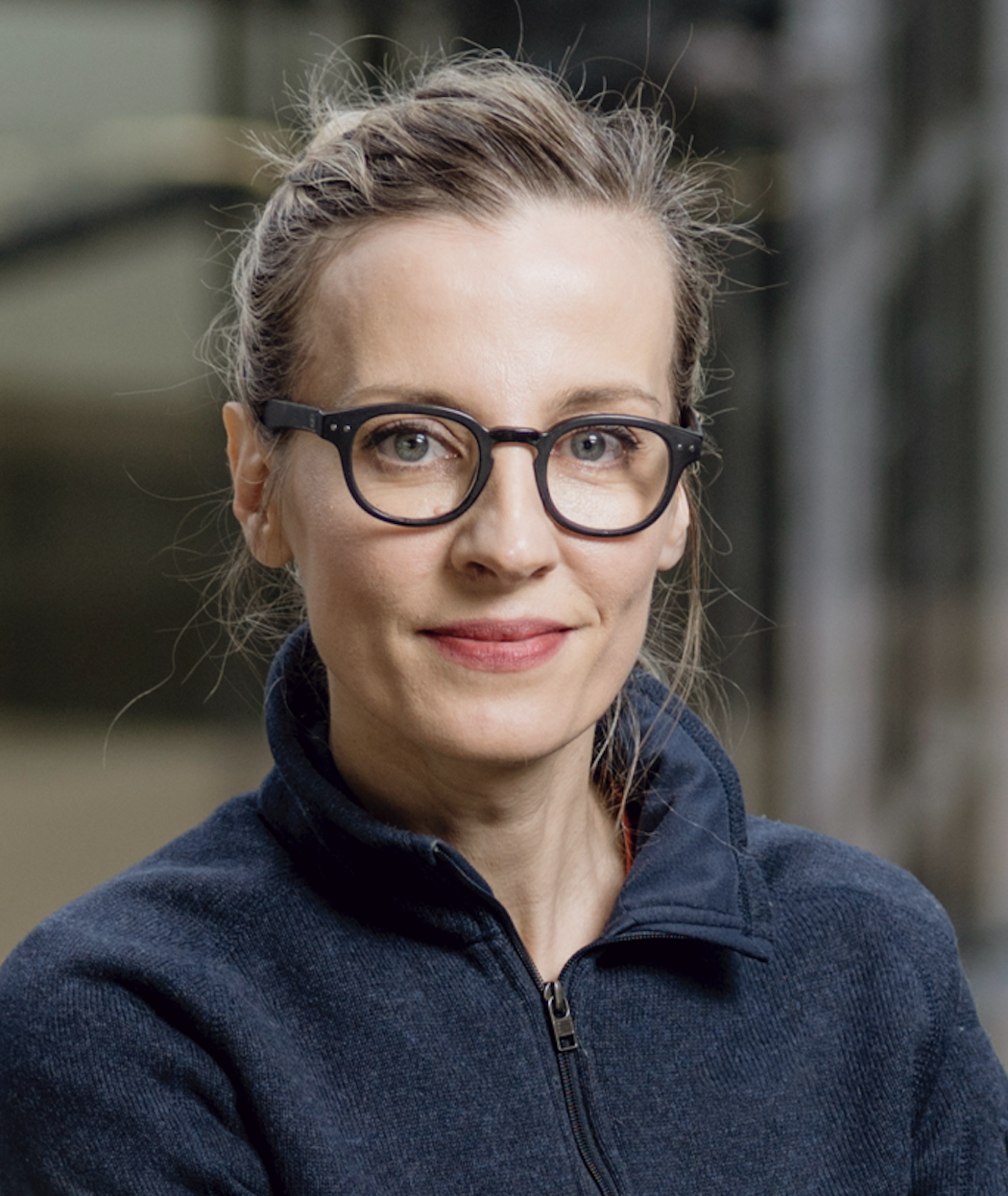
Indrit Bègue is a Swiss-based psychiatrist-neuroscientist. Her work focuses on developing brain circuit therapies using advanced neuroimaging and non-invasive neurotechnology in severe psychiatric disorders. She is Sponsor-Investigator in investigator-initiated clinical trials and an active contributor to brain health policy through the Swiss Brain Health Plan, where she serves as a board member.
Chief Science Officer, Brain Health and Stroke, American Heart Association

Dr. Mitchell Elkind is the American Heart Association’s Chief Clinical Science Officer and serves as the senior staff science leader for all Association initiatives related to stroke, brain health and new integrated efforts including cardio-renal-metabolic health. Previously, he was president of the American Heart Association for 2020-21, a tenured Professor of Neurology and Epidemiology and Chief of the Division of Neurology Clinical Outcomes Research and Population Sciences in the Neurology Department at Columbia University.
Scientific Director & Head, Movement Disorder Unit, Institute of Neuroscience, Fundación Favaloro; Director, Laboratory of Experimental Parkinsonism, Institute of Pharmacological Research (CONICET & University of Buenos Aires)

Professor Gershanik is currently a Full Professor of Neurology at the Faculty of Medicine of the University of Buenos Aires. He also serves as Scientific Director and Head of the Movement Disorders Unit at the Institute of Neurosciences of the Favaloro Foundation. Until 2008, he was Head of the Neurology Department at the French Hospital of Buenos Aires and Director of the Neurology Residency Program at the University of Buenos Aires. In the field of basic research, he is the Director of the Experimental Parkinson's Laboratory at the Institute of Pharmacological Research, which is affiliated with the University of Buenos Aires and the National Scientific and Technical Research Council (CONICET).
Laboratory for the Interdisciplinary Study of Time (LITERA), Department of Life and Behavioral Sciences, Universidad de San Andrés/CONICET, Argentina
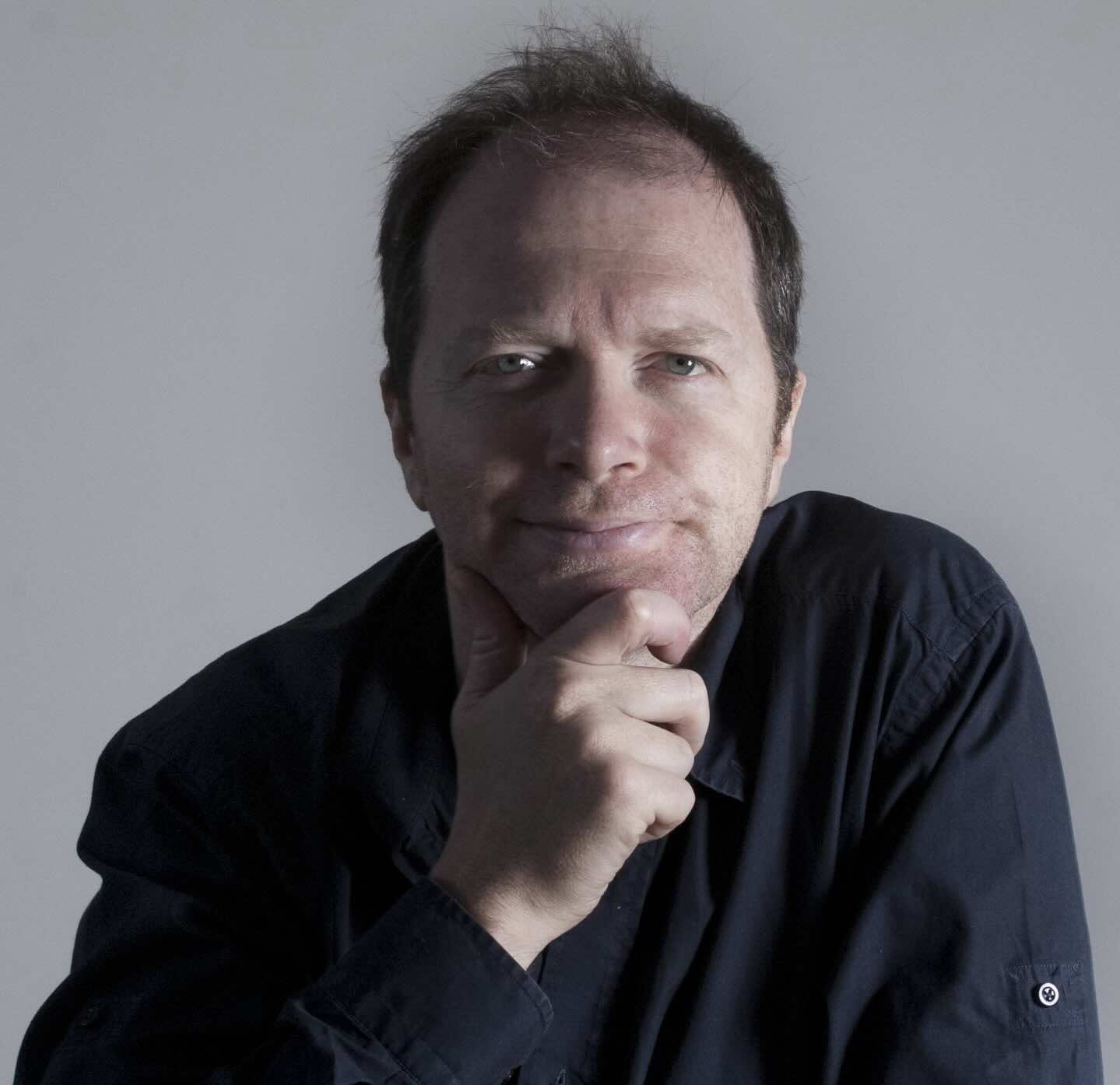
PhD in Biology (University of Buenos Aires), Plenary Professor and Chair of the Department of Life and Behavioral Sciences (Universidad de San Andrés). Superior Investigator at the National Research Council (CONICET). Director of the Laboratory for the Interdisciplinary Study of Time (LITERA). He is the author of popular science books and director of the "Science That Barks" collection, as well as a contributor to various print and television media. He has published approximately 180 scientific papers and delivered numerous lectures at national and international conferences.
Regional Director for the Americas of Alzheimer's Disease International (ADI)

Diego Aguilar works from Argentina as Regional Director for the Americas at Alzheimer’s Disease International (ADI), leading policy engagement and regional strategy across Latin America and the Caribbean. He serves on the Board of AEDROS and is a long-standing member of Fundación León, where he helped advance Argentina’s first subnational Dementia Plan. Diego holds a Master’s degree in Gender, Society and Policy (FLACSO Argentina), a postgraduate specialisation in Gerontology, and a Bachelor’s degree in Psychology. He has over 20 years of experience in non-profit leadership, international cooperation and fundraising.
Director, Dementia Research Centre (Singapore) and Associate Professor at Lee Kong Chian School of Medicine

Prof Nagaendran Kandiah is Associate Professor of Neuroscience and Mental Health at the LKC-Imperial Medical School and Senior Consultant Neurologist with National University Hospital. He is the Director of the Dementia Research Centre (Singapore) at LKC-NTU and Co-Director of the LKC Neuroscience Programme. He also holds the position of Associate Professor of Neuroscience at Duke-NUS, Singapore. His research interests include mild cognitive impairment, the role of cerebrovascular disease in Alzheimer’s dementia, Parkinson’s disease dementia and frontotemporal dementia.
President Polish Neurological Society. Head of the Department and Clinic of Neurology, Medical University of Lublin

Dr. Konrad Rejdak is currently working in the Department of Neurology, Medical University of Lublin, Lublin, Lubelskie,Poland . Dr. Konrad Rejdak research interests includes Medicine. Dr. Konrad Rejdak is serving as an editorial member and reviewer of several international reputed journals. Dr. Konrad Rejdak has successfully completed Administrative responsibilities. Dr. Konrad Rejdak has authored of many research articles related to trauma.
Global Brain Health Institute (GBHI)

Médico psiquiatra y neurocientífico.
Profesor Universidad Javeriana, Psiquiatra e Investigador en el Hospital Universitario San Ignacio, Bogotá, Colombia.
Senior Atlantic Fellow in Brain Health, University California San Francisco, Global Brain Health Institute.
Chief Physician & Medical Director at Rehaklinik Zihlschlacht, and Chief Medical Officer at VITREA Switzerland

He graduated in Human medicine at Basel University and became specialist in Internal Medicine and Neurology FMH (SwissMedicalAssociation). For over 15 years he is working in the field of Neurorehabilitation. After 5 year activity at the Neurological clinic University Hospital of Bern under Prof. C.W. Hess and Prof. C. Bassetti, he worked as senior physician in a center of epileptology and later in the Clinica Hildebrand centro di riabilitazione, Brissago. In 2008 he became clinical director of the Rehaclinic Zihlschlacht near Zürich, which is one of the major Rehabilitation Centers in Switzerland with over 100 beds and pure specialization in neurorehabilitation. With the foundation of the robotic movement center (RMC) he established the use of robotics in the daily use for neurological patients. His other focus areas are in the rehabilitation of patients with extrapyramidal disorders and patients with complex cognitive disorders. He is elected secretary of the Swiss Society of Neurorehabilitation. Dr. Zutter speaks fluently German, English, French and Italian.
European Academy of Neurology (EAN); Senior Full Prof. of Neurology and Director of Neuroscience at Ghent University

He serves as the Chairman and Senior Full Professor of Neurology at Ghent University Hospital and is the Director of the 4Brain research group at Ghent University. His extensive experience and contributions to neurology have made him a prominent voice in the field. Prof. Boon is currently the President of the European Academy of Neurology (EAN), an organization dedicated to fostering the best neurological care and promoting research and education in neurology across Europe. His leadership roles within the EAN also include serving as Chair of the EAN Education Committee and Co-chair of the EAN Scientific Panel on Epilepsy. His contributions to the field of epilepsy research and treatment have been particularly noteworthy, and he remains deeply involved in advancing knowledge in this area.
Co-Director of the Center for Global Health (CGH) at the Technical University of Munich

Professor Andrea Sylvia Winkler, MD, Dr. med., PhD, Dr. med. habil., is a neuroscientist, a specialist neurologist, a senior researcher, the Co-(joint)-Director of the Center for Global Health at the Technical University of Munich, Germany, and the Founding Director of the Centre for Global Health at the University of Oslo, where she holds a professorship in Global One Health.
Prof. of Neurlology and Director of Institute of Human Behaviour and Allied Sciences (IHBAS)

Prof. Rajinder K Dhamija is a Neurologist and Clinical Scientist trained in India as well as in Australia. He is currently Professor of Neurology and Director, Institute of Human Behavior and Allied Sciences New Delhi India. He is MD from Medical College Rohtak (Haryana) . Thereafter He did his DNB(Neurology) From National Board of Medical Examinations New Delhi and FRACP from Melbourne Australia . He has received CCST(Eqv.) from Specialist Training Authority of Medical Royal Colleges (UK) and FRCP(London). He is also an advisor for Royal College of Physicians (London) and has been invited to present his research and lecture at several international meetings in the USA, Canada, Japan, Australia, Thailand, Morocco, Malaysia, Cameroon and Bhutan.
Head of the Neurocampus Clinical Epidemiology Team, University of Bordeaux and Director of Research, Inserm Unit 1219 – Bordeaux Population Health Research Center

Stéphanie Debette, MD, PhD is an Associate Professor of Neurology and Epidemiology at Lariboisière Hospital and University Paris Diderot, Paris, France, and Adjunct Associate Professor of Neurology at Boston University School of Medicine. She trained as a stroke neurologist at the University Hospital of Lille, France, and completed a master degree in statistical genetics at the University Paris-XI, and a PhD in epidemiology at an Inserm Unit at the Pasteur Institute in Lille, France. Between 2008 and 2010, Dr. Debette has worked as a Fulbright post-doctoral research fellow in the Department of Neurology of Boston University School of Medicine where she joined the neurology research team of the Framingham Heart Study.
Global Brain Health Institute, GBHI. Trinity College Dublin, Ireland. Latin American Brain Health Institute (BrainLat), Universidad Adolfo Ibáñez (UAI), Santiago, Chile
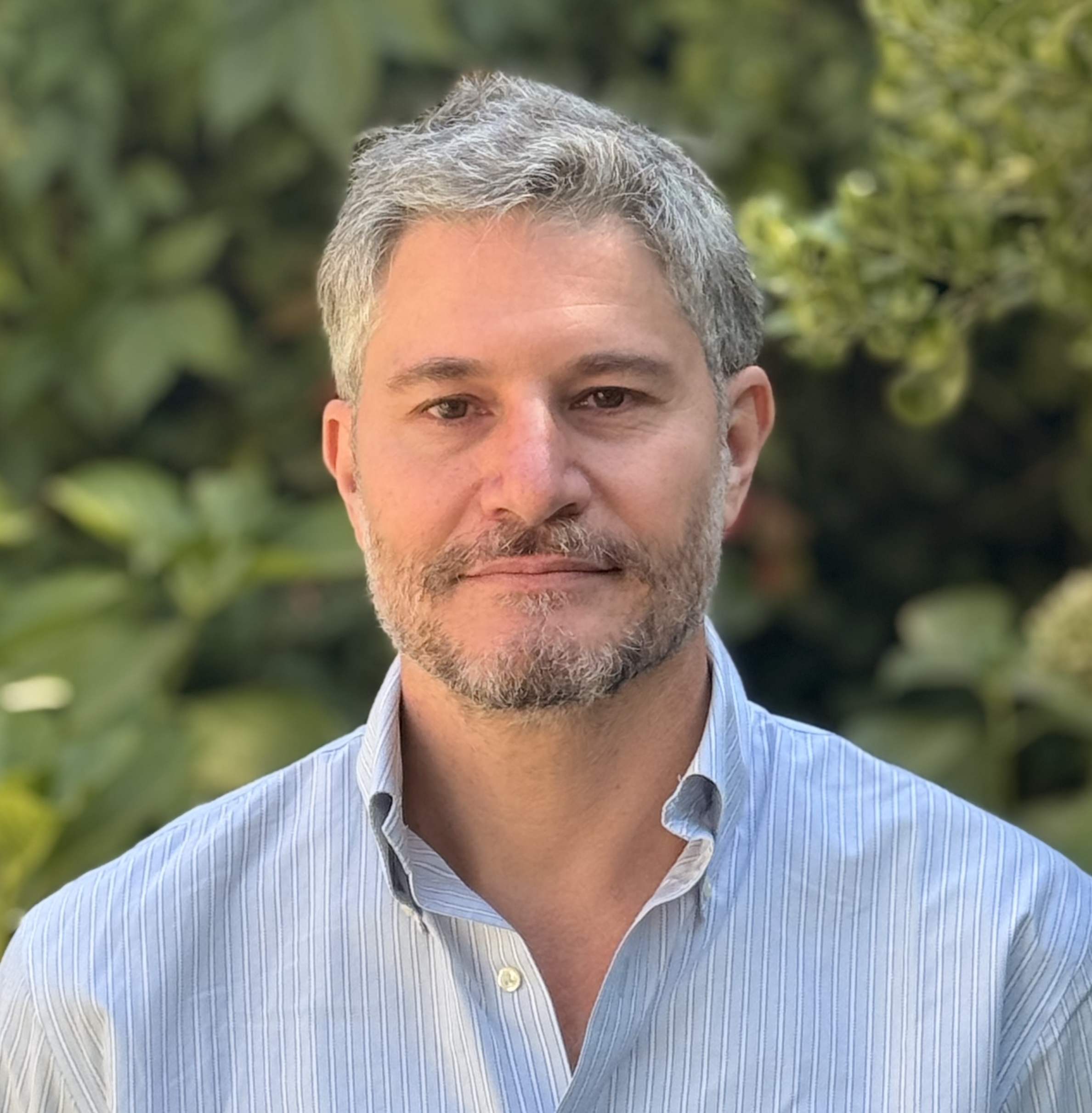
Agustín Ibáñez is a global leader in brain health, serving as Director of Global Research Networks at the Global Brain Health Institute (Trinity College Dublin) and Scientific Director of the Latin American Brain Health Institute (BrainLat, Universidad Adolfo Ibáñez). His research bridges computational neuroscience, aging clocks, exposome science, whole-body health, and artificial intelligence to advance understanding of brain health across diverse populations. Author of over 500 publications and recipient of major international grants (NIH, NIA, Wellcome Trust, Alzheimer’s Association), he leads multicenter initiatives such as ReDLat and CliCBrain, promoting equitable, transdisciplinary approaches to precision brain health worldwide.
Prof. of Psychiatry and Executive Head of the Department of Psychiatry at Stellenbosch University

Professor Soraya Seedat is well-known internationally for her outstanding research contributions to the assessment and treatment of anxiety disorders. Within an African context, she has demonstrated the relevance of the interaction between genes, gene expression and environmental factors. In this trend-setting breakthrough she has combined biomedical science with issues from humanities and the social sciences. In collaboration with her German host, she will detail the gene-environment interaction through epigenetic, genetic, and brain imaging research in order to model the genesis of mental disorders. Professor Seedat will be hosted by Professor Thomas Elbert and Dr. Roland Weierstall at the University of Konstanz.
MD, PhD. Brain Health Institute, INECO Foundation. Institute of Neurosciences, Favaloro University, Buenos Aires, Argentina
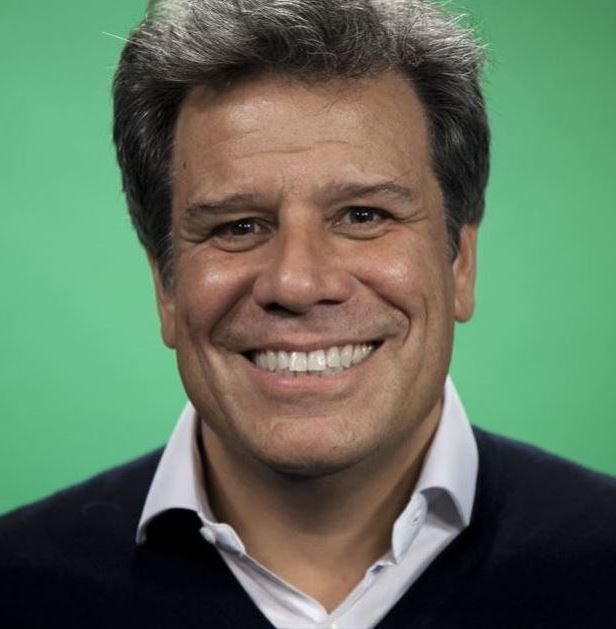
Lancet Commission on Brain Health, Swiss Brain Health Foundation

Cognition, dementia and brain aging

Facundo Manes
Devora Kestel Claudio Bassetti
Sessions
Session co-chairs: Christopher Chen, Suvarna Alladi, Joanne Pike.

Jacobo Mintzer
Nagaendran Kandiah
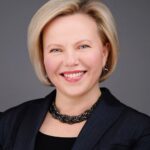
Natalia Rost
Sessions
Session co-chairs: Devora Kestel, Steven Lewis Facundo Manes.
Sessions
Sessions
Session co-chairs: Oscar Gershanik, Oscar Franco, Paul Boon.

Roongroj Bhidayasiri
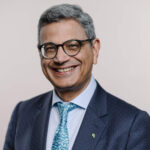
Kailash Bhatia

Nilton Custodio
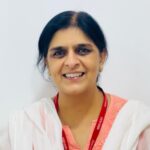
Suvarna Alladi
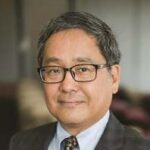
Christopher Chen
Sessions
Session co-chairs: Andrea Slachevsky, Alfred Njamnshi, Mara Dierssen.

Hernando Santamaría-García

Soraya Seedat
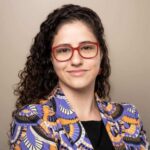
Claudia Braga
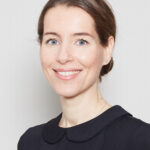
Kristina Adorjan
Sessions
Session co-chairs: Marcelo Cetkovich, Facundo Manes, Oscar Gershanik.
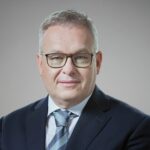
Daniel Zutter
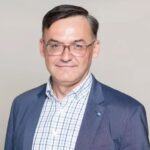
Konrad Rejdak
Rajinder K Dhamija
Sessions
Session co-chairs: Claudio Bassetti, Paul Boon, Kristina Adorjan.
Alexandre N. Datta
Caroline Lustenberger

Diego Golombek
Brain and mental health
Sessions
Session co-chairs: Devora Kestel, Steven Lewis, Claudio Bassetti.
Claudio Bassetti
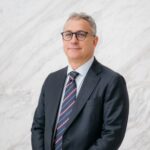
Andrea Fiorillo
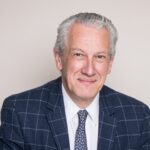
Paul Boon
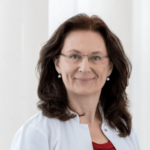
Andrea Winkler
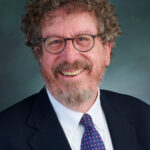
Steven Lewis

Danuta Wasserman
Sessions
Session co-chairs: Andrea Slachevsky, Christopher Chen, Oscar Franco.
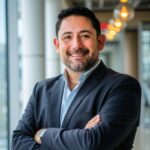
Diego Aguilar
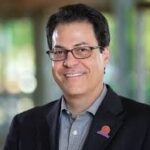
Mitchell Elkind
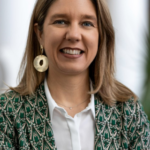
Stéphanie Debette
Nagaendran Kandiah
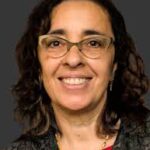
Devora Kestel
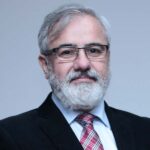
Marcelo Cetkovich

Oscar Gershanik
Sessions
Session co-chairs: Alfred Njamnshi, Suvarna Alladi, Indrit Bègue.
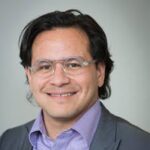
Oscar Franco

Alfred Njamnshi

Pratima Murthy
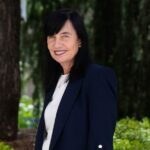
Mara Dierssen
Sessions
Session co-chairs: Steven Lewis, Devora Kestel, Paul Boon.
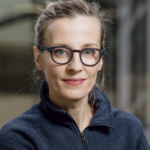
Indrit Bègue
Augustín Ibañez
Andrea Slachevsky
Sessions
International Alliance on Brain Health: Next Steps and Strategic Priorities. Co-chairs: Facundo Manes, Claudio Bassetti